
From Texas to Germany, Grid Reliability Concerns are Growing
Texas’ recent near-miss with blackouts has turned more than a few heads. The challenges posed to the Texas grid, and other regional grids, by growing reliance on intermittent sources of power and, in some cases, an overstretched natural gas transmission system, have caught the attention of regulators and policymakers.
Last week, U.S. Senator Kevin Cramer (R-N.D.), a former public service commissioner himself, wrote the Federal Energy Regulatory Commission expressing his deep concern over the reliability and resilience of the nation’s electricity system.
Senator Cramer wrote, “While consumers currently experience relatively stable service, the system has become unnecessarily complex with less margin of error. As we have seen from a number of polar vortex events and most recently summer heatwaves, notably in Texas, smaller and smaller reserve margins coupled with intermittent generating resources and more reliance on natural gas are straining the system when people need it most.”
He continued, “I fully appreciate the desire for resource neutral policy, but there are neutral resource characteristics which are being taken for granted under current market design and rules.”
What the senator goes on to spell out is a list of characteristics provided by baseload power plants – particularly coal plants – that are unrecognized or undervalued by current electricity market design. This blind spot in the market is beginning to expose gaping vulnerabilities in the electricity system. The senator is wisely pressing for reform – resource neutral reform – that ensures the grid maintains the dispatchable fuel security, balance and optionality that has long underpinned reliability and resilience.
His concern is not just with attention-grabbing weather events that have pushed regional grids to the limit but also with the day-to-day challenges of balancing an ever-growing amount of wind and solar power coming onto the grid. These are challenges emerging and growing more acute across the U.S. but also across the Atlantic as well.
As Bloomberg News reported this week, the difficulties of maintaining grid reliability with increased reliance on wind and solar power are hardly confined to Texas. Germany and the U.K have been struggling as well:
“Germany averted three blackouts of its own in June and has seen prices both spike and plunge below zero within days as it swaps out coal and nuclear energy for wind and solar. In the U.K., more than a million homes lost power on Aug. 9, in part because a wind farm tripped offline. The recent stumbles serve as a warning shot to the rest of the world…. Grid operators, policy makers and power providers are learning the hard way that losing massive, around-the-clock generators can be a challenge, if not carefully planned.”
In Germany, where the government is pushing forward with its ill-conceived and exorbitantly expensive plan to phaseout the use of both nuclear power and coal, a growing chorus of business interests is expressing new concerns about grid reliability. These are fears that are joining years of concern from consumer groups and businesses alike about the cost of the effort. Bloomberg reported, “A group representing the nation’s biggest power suppliers warned that the grid may become increasingly unstable as the government orders coal and nuclear plants to shut. ‘By 2023 at the latest, we will be running with eyes wide open into a shortfall in secure capacity,’ said Stefan Kapferer, a managing director for the group BDEW.”
Threats to grid reliability posed by a potential lack of fuel-secure, dispatchable generating capacity are emerging nearly everywhere intermittent power is being used to meet a significant share of power demand. While Wood Mackenzie has reported that no major electricity system in the world is getting 30% or more of its annual power from intermittent sources of electricity, the challenges of integrating even relatively modest amounts of weather and time-sensitive sources of power are proving massively complex. These are challenges emerging in a variety of different market designs and in a number of different countries.
The failure to understand the complexity of the challenge and to provide the right response could be crippling. As Severin Borenstein, an energy economist at the University of California at Berkeley, told Bloomberg, “We have to have systems in place to make sure we still have enough generation on the grid – or else, in the best case, we have a blackout, and in the worst case, we have some kind of grid collapse.”
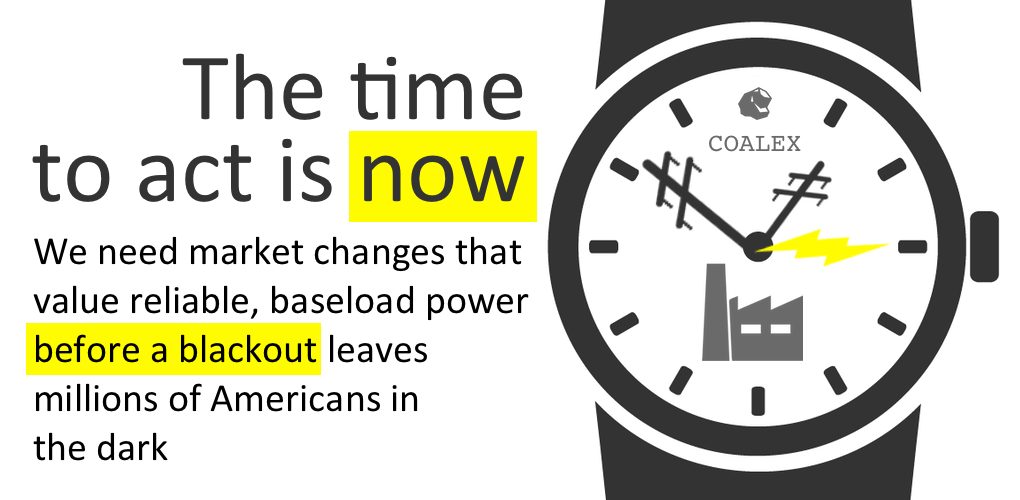
As Senator Cramer would seemingly argue, as well as a host of reliability experts, those systems, particularly the right market incentives to ensure adequate dispatchable capacity, aren’t in place in the U.S. There still is time to make needed market changes but the time to act is now – not next month, not next year and not after a preventable blackout leaves millions of Americans in the dark.
- On August 28, 2019