
The LNG Export Boom and a Check on Abundance
U.S. electricity demand is about to begin a steep climb, potentially doubling by 2050 on the back of the electric vehicle revolution. As that ascent begins, the U.S. is becoming the world’s largest exporter of liquified natural gas (LNG) just as the shale industry reckons with an end to the boom. As The Wall Street Journal recently reported, falling productivity, drilled out sweet spots and declining inventory mean drillers are working harder than ever to just keep their production at current levels.
This perfect storm of sorts – rising power demand, rising gas exports to premium global markets and a potential end of the shale boom – seems to be pointing decisively in one direction: rising natural gas prices for U.S. consumers.
Rebounding energy demand and voracious global appetite for U.S. gas exports have already delivered a considerable rise in gas prices that is drawing the ire of consumer advocates and frustration from policymakers. Natural gas prices have more than doubled in just two years and are delivering higher electricity prices from Maine to Florida. Just how high U.S. natural gas prices go in the years ahead is anyone’s guess but there’s good reason to believe higher prices are here to stay.
It’s been just six years since the first U.S. LNG export facilities were commissioned but the U.S. is now the world’s LNG behemoth and U.S. LNG export capacity will continue its unprecedented expansion with several new projects set to enter service. U.S. gas exports via pipeline to Mexico also continue to reach record levels, with U.S. gas now accounting for more than 75% of Mexico’s natural gas supply. The U.S. natural gas glut is gone, replaced by export capacity that has linked the once isolated U.S. market to sky-high gas prices in Asia and Europe.
And as The Wall Street Journal has discovered, the narrative of U.S. shale abundance is in need of a rewrite. U.S. shale oil producers are running out of inventory, forced to drill their best acreage to stay afloat when oil prices crashed and are seeing productivity per well fall. The era of rapid growth appears to be over. Or as the Journal observed, “the end of the boom is in sight.” With inventories falling, and new discoveries expensive and slow to come, “the industry has little choice but to keep running in place.” It’s not unwarranted to think the same dynamics are beginning to materialize in shale gas plays.
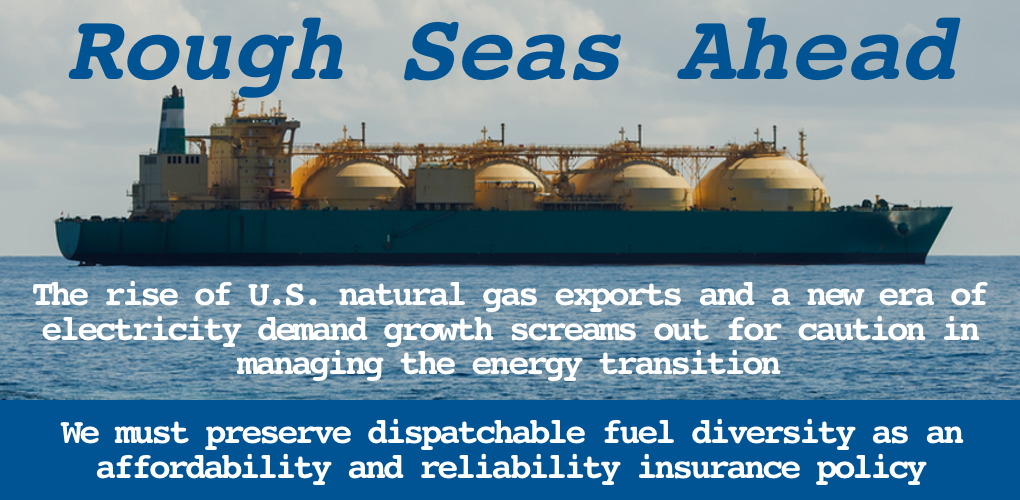
The end of the boom, the rise of U.S. gas exports and a new era of electricity demand growth screams out for caution in managing the choppy waters ahead. We’ve already found out that the energy transition is going to be perilous but how perilous is a choice of policy. Can we preserve dispatchable fuel diversity as an affordability and reliability insurance policy or are we determined to chain American consumers to rising natural gas prices? It’s an extraordinarily important and potentially expensive question.
- On February 9, 2022